
The Vintage Care & Longevity Guide
Every vintage piece carries a history—and a specific set of maintenance rules. To ensure your collection lasts for generations, we have broken down the precise care requirements, cleaning restrictions, and surface preservation rules for every material we source.
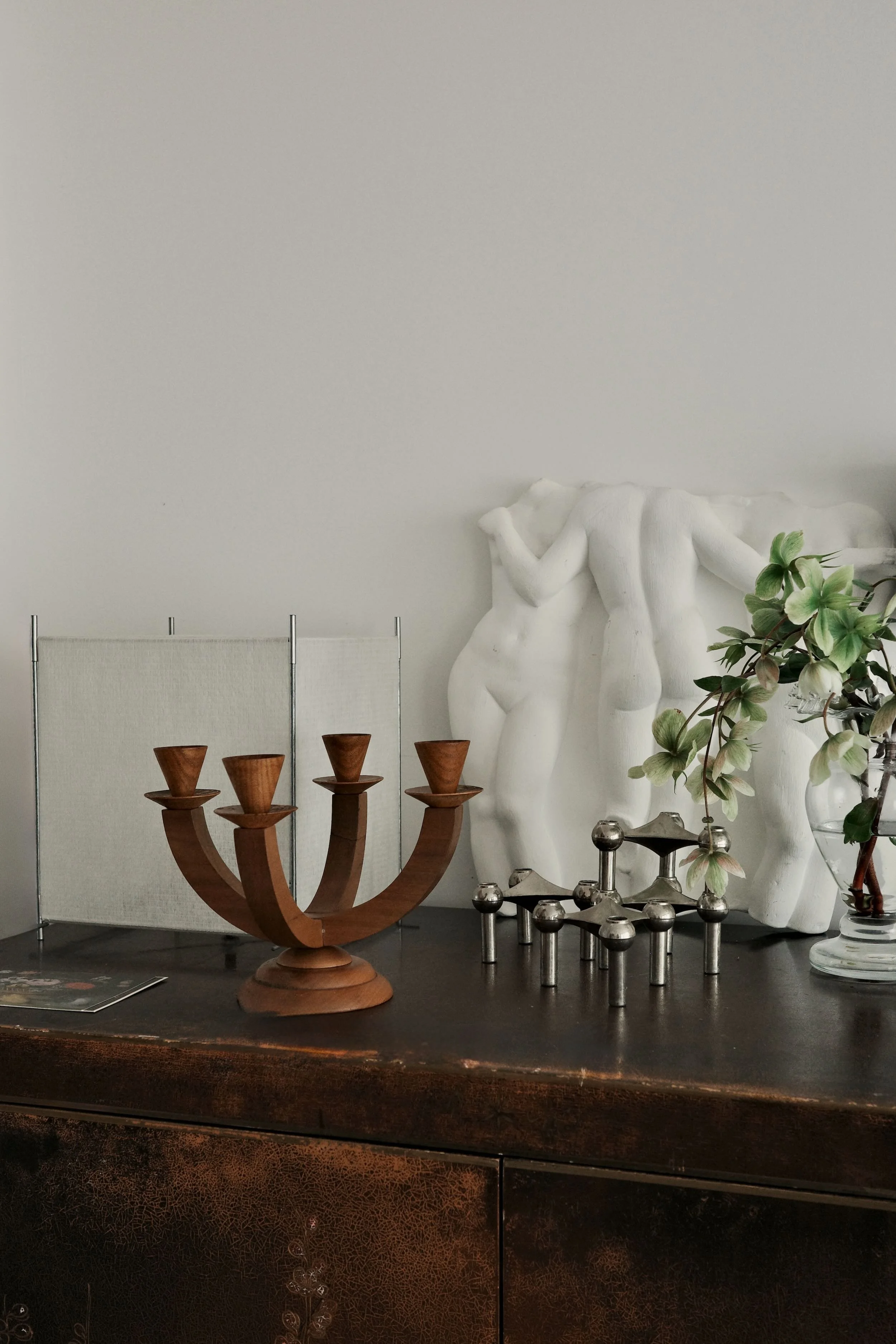
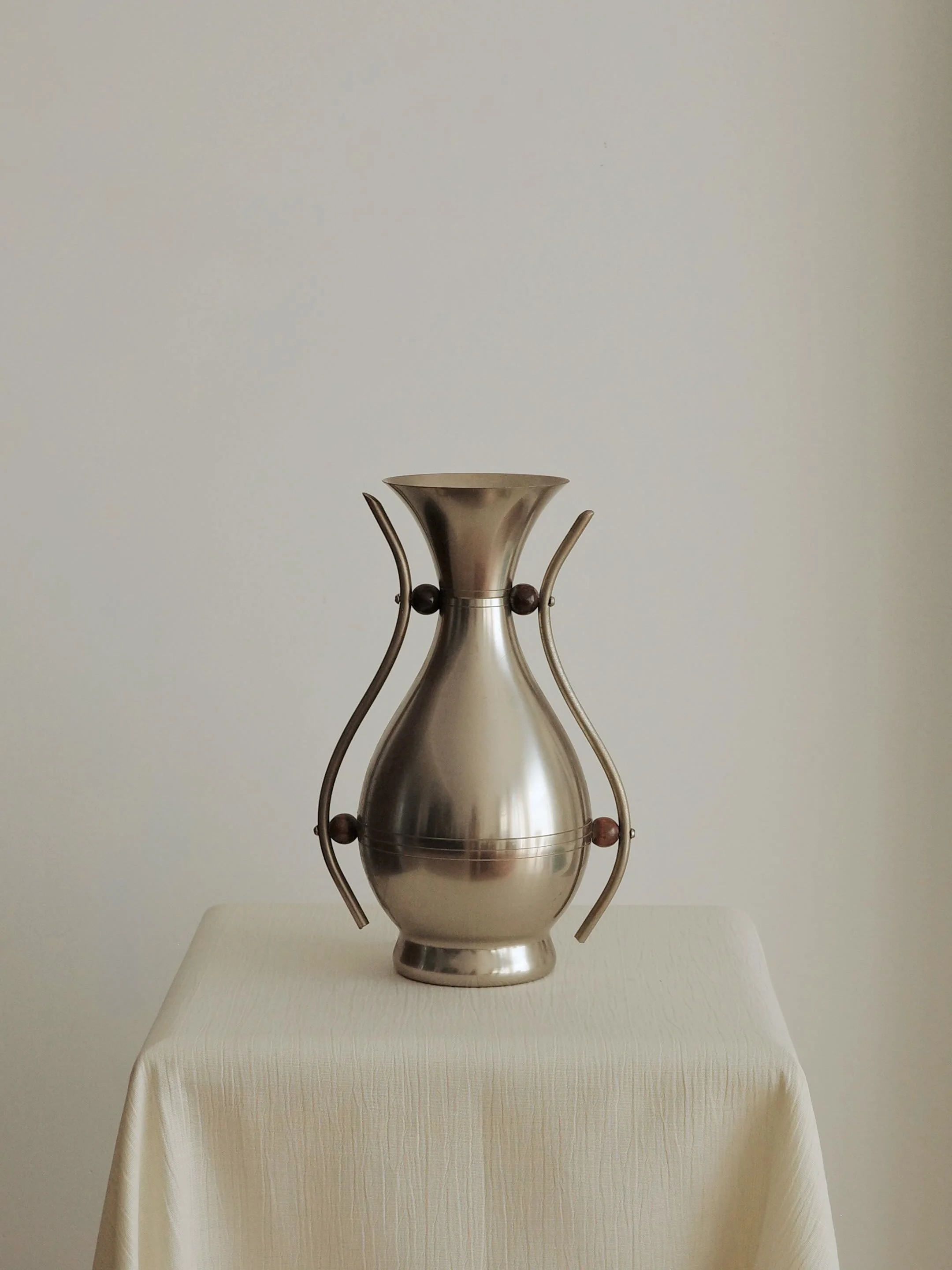
Metals
-
The Care Routine: Hand-wash using mild dish soap and a non-abrasive sponge.
The Golden Rule: Dry immediately. Never let silver air-dry; doing so creates stubborn, etched water spots that require heavy polishing to remove. Keep silver away from stainless steel in the sink, as the contact can cause chemical pitting.
Polishing: Polish only when tarnish appears, using a dedicated silver cloth or high-quality cream. Avoid over-polishing silver-plate, as the thin silver layer can wear down to the base metal over time.
-
The Care Routine: Wash with warm, soapy water and a soft cloth. It requires zero polishing.
The Golden Rule: Keep away from high heat. Pewter has an incredibly low melting point. Never let candles burn completely down to the base in a pewter holder, and never place pewter near an open flame or stovetop.
-
The Care Routine: Clean with mild soap and water.
The Golden Rule: Avoid acids. Do not leave acidic foods or substances (like citrus, vinegar, or tomatoes) sitting on raw vintage aluminum, as it can cause permanent discoloration and dull the finish.
-
The Care Routine: Wash with standard dish soap and a soft sponge. It is one of the rare vintage metals that can typically handle the dishwasher, provided it isn't mixed with sterling silver.
The Golden Rule: Watch for water spotting and pitting. While incredibly low-maintenance, leaving stainless steel flatware or trays wet can cause unsightly surface spots. Additionally, avoid prolonged contact with harsh chloride or heavy salt solutions, which can eventually cause micro-pitting in the steel over time. Dry with a soft cloth to keep its crisp, reflective surface.
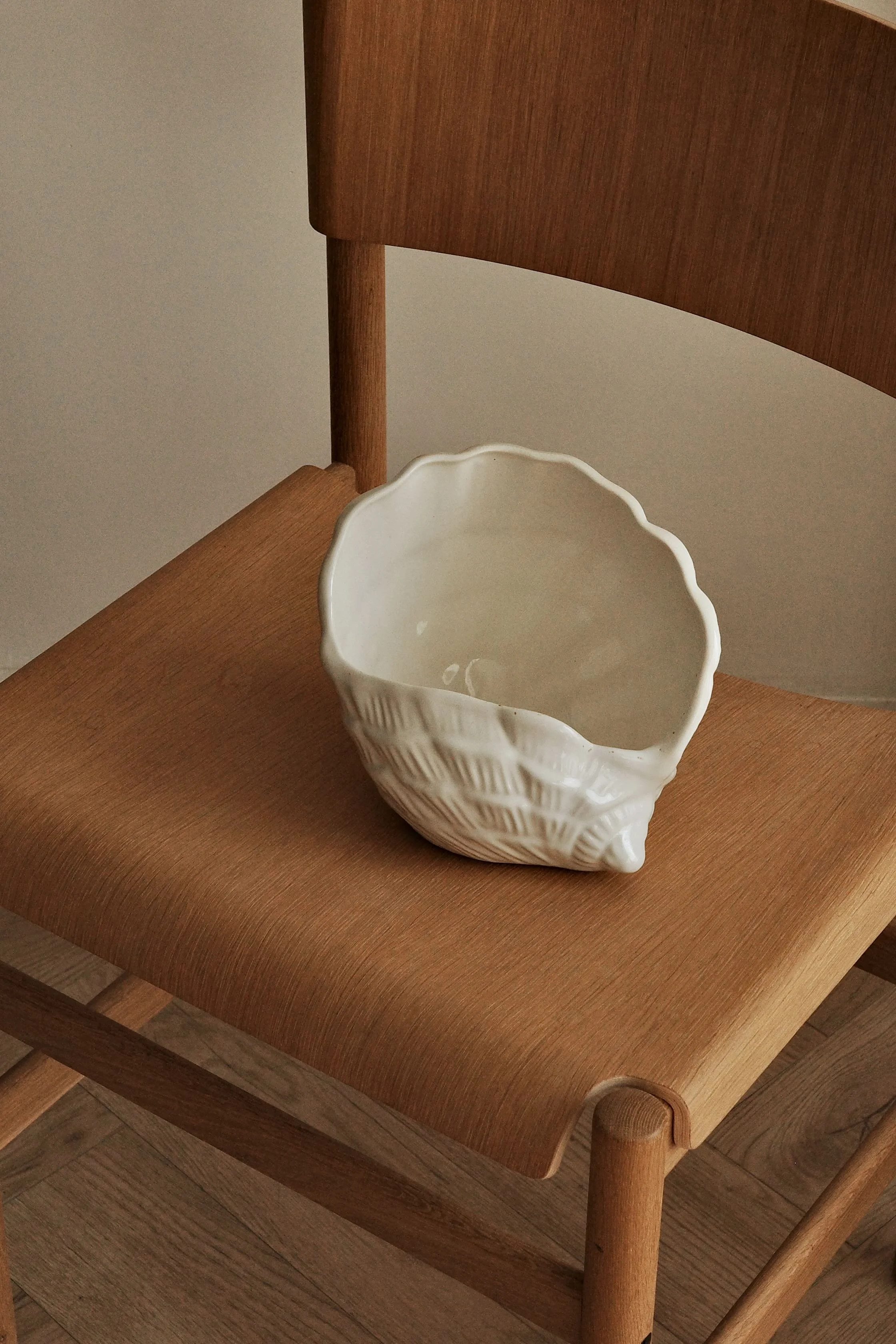
Ceramics
-
The Care Routine: Hand-wash only in a plastic tub (or a lined sink) to prevent impact against hard porcelain surfaces.
The Golden Rule: Zero microwave, zero dishwasher. Vintage porcelain often contains gold or platinum gilt edges that will spark in a microwave and strip away entirely in the harsh heat of a dishwasher. Stack pieces with felt protectors or heavy paper napkins between them to prevent the rough underside of one plate from scratching the glaze of the one beneath it.
-
The Care Routine: Generally highly resilient. Can handle daily use and gentle hand-washing.
The Golden Rule: Ensure complete dryness. Because stoneware is porous—especially on unglazed bases—never stack or store pieces while they are still damp. Trapped moisture in a dark cupboard can lead to musty odors or mildew within the clay body.
other materials
-
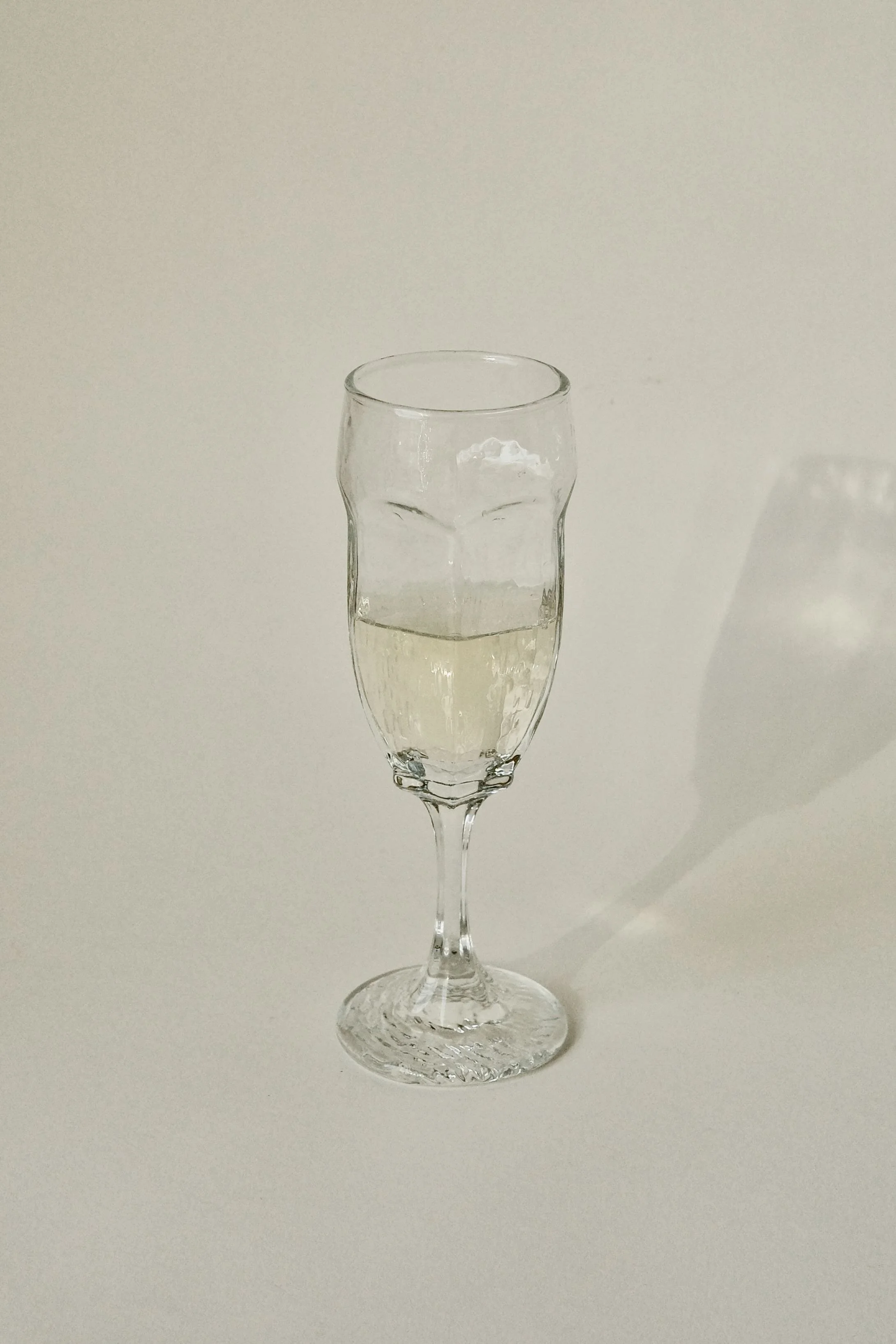
The Care Routine: Hand-wash in lukewarm water. Avoid hot water, which can stress old glass and cause it to crack.
The Golden Rule: Dishwashers cause permanent damage. The heat and harsh detergents in standard dishwashers will "etch" vintage glass over time, turning it permanently cloudy and cloudy white. This cannot be polished out. Dry with a lint-free microfiber cloth immediately after washing to prevent hard-water film.
-
The Care Routine: Dust with a dry microcloth. Seasonally (every 3 to 6 months), massage the wood with a high-quality beeswax or food-safe mineral oil to replenish moisture.
The Golden Rule: Never soak. Wood should never be submerged in water or left in high-humidity areas, which causes the grain to swell, warp, and split. Keep all vintage wood items out of direct, prolonged sunlight to prevent bleaching.